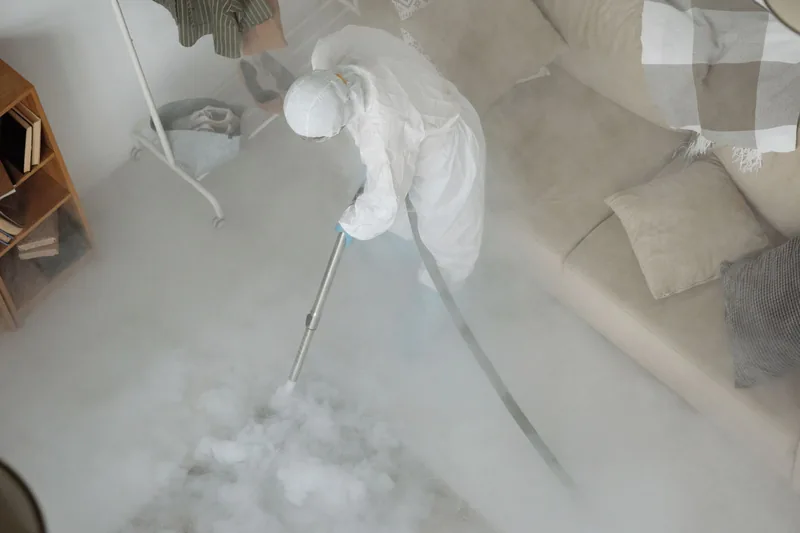
Biohazard Decontamination
After exposure to infectious or hazardous material, the air, room and surfaces are fully decontaminated.
See biohazard decontaminationGet blood, bodily fluids and other infectious material removed from your home, business or vehicle. The affected area is contained, cleaned and disinfected, and contaminated waste is taken for proper disposal.
Biohazard cleanup means carefully controlling and removing blood, bodily fluids or other matter that could contain harmful microorganisms, then cleaning and disinfecting the affected surfaces.
A biohazard can be present after a death, injury, crime scene, sewage backup, infectious illness or severe hoarding situation. Cleanup can be needed in a house, apartment, workplace, hotel, vehicle or outdoor area. The goal is to find the full affected area, remove contamination that cannot be cleaned, disinfect surfaces that can remain and protect the surrounding areas while the work is underway.
Biohazard cleaning is different from ordinary house cleaning. Trained technicians use protective equipment, controlled work zones and products chosen for the material involved. They follow the label contact time for EPA-registered disinfectants. Waste is sealed, labeled and moved under the rules that apply in your state, instead of being placed loose in household trash.
Documentation for your insurer and property file may be organized to include photos, invoices, the scope of work and available disposal records.
Cleanup respects the privacy of your situation. To reduce attention around your property, crews use unmarked vehicles and keep the work area contained.
You can help evaluate personal property if conditions permit. Items that matter to you are sorted for cleaning, expert care or return when safe.
Before cleanup starts, you learn which areas are involved, what may remain, what needs removal and how the work is planned.
Professional biohazard cleaning is suitable if routine cleanup could bring you into contact with contaminated waste, infectious substances or bloodborne pathogens. Situations that commonly require it include:
Once property release comes from the medical examiner or local law enforcement, damaged materials, bodily fluids, lasting odor and remaining belongings may be addressed through death cleanup.
Only a released scene can move forward to crime scene cleaning. It can include blood cleanup, fingerprint powder removal, disinfection, waste disposal and odor treatment.
Water in a sewage backup is Category 3 black water. The work may involve extracting water, discarding saturated porous material, cleaning, drying and disinfecting.
For an illness exposure, a focused plan may address shared spaces, frequently touched surfaces and related items with disinfectant appropriate for both the organism and material.
Start by keeping people from making contact with the material or carrying it elsewhere. While professional cleaning is being arranged, follow these steps:
Call (888) 440-9227How much biohazard cleanup costs depends on the scope, from a single hard surface to soaked flooring in many rooms. Nationally, Fixr reports a typical range of $3,000 to $5,000 for most jobs. It lists $1,500 as a smaller job and $25,000 or more as a large one. This is a published guide and not an offer. Your final figure follows the assessment.
These national ranges are taken from published cost guides, rather than a property visit. The price for your property is set after the on-site assessment, and you hear it before work starts.
Ask about cost: (888) 440-9227Biohazard cleanup may qualify for insurance coverage when its cause is covered by your policy. The event itself, along with your exclusions, deductible and limits, affects coverage.
Check with the insurance company about the records needed. Your claim may be easier to assess when the adjuster receives photos, a detailed cleanup scope, invoices and waste documentation.
Victims of violent crime can ask the Oklahoma Crime Victims Compensation Program, run through the Oklahoma District Attorneys Council, about crime scene cleanup, which the Crime Victims Compensation Act lists as an allowable expense. Insurance is usually checked first.
Report the event to your insurance company and ask whether cleanup, damaged building materials, personal property and restoration are covered. Record how to reach the adjuster and retain the claim number.
The cause and place of the incident, local rules and any lease may affect responsibility. Property owners and tenants should alert insurers and document conditions before moving belongings.
Cleanup is organized according to the kind of material, its path and the surfaces involved. Contamination stays controlled through every stage while the property progresses toward being usable safely again.
Cleanup technicians examine the affected and surrounding areas, classify materials as porous or non-porous, record conditions and discuss the suggested work with you.
Barriers divide the cleanup area from clean parts of the property. Workers select exposure-appropriate personal protective equipment and may manage airflow to limit odor or particle travel.
Carpet, pad, drywall, insulation, mattresses or unfinished wood that absorbed contamination may be cut out and placed in sealed containers.
The surface is cleared of visible soil before disinfectant is applied, allowing the product to make contact. The finish determines which method and equipment are used.
The cleaned surface is disinfected with an EPA-registered product and kept wet as long as the product label directs.
Source material is removed before air treatment. The choice of HEPA air scrubbers or another odor method depends on occupancy, the room and materials that remain.
Waste receives packaging and labels that match its disposal path. Records can document what left the property and where it was taken.
The work area is checked after cleaning. The final explanation covers completed cleaning, removed items and possible restoration that has yet to be done.
Call at any time. A biohazard cleanup specialist answers, explains the steps and agrees a start time with you.
Biohazards can expose you to infectious material, sharp objects and contamination hidden below the surface, so a quick wipe may not make the area safe.
Fluids can move under trim, through carpet, into subfloor joints and behind wall finishes. The affected area can extend beyond the mark that is visible.
Blood may carry hepatitis B, hepatitis C or HIV. The CDC says hepatitis B can survive on surfaces for at least seven days, so dried blood still calls for careful cleaning and disinfection.
A glove or bag can be pierced by needles, jagged glass or sharp pieces of metal. Each contaminated material must follow a suitable disposal route in the correct kind of container.
Can you clean it yourself? A very small spill on a sealed, non-porous surface may be cleaned with disposable gloves and an EPA-registered disinfectant used for its full label contact time. Avoid cleaning if fluid entered wood, carpet, furniture or drywall, if any sharps are involved, or if the boundary of contamination is uncertain.
Accessible contamination can often be cleaned from non-porous surfaces without removing them. Absorbent materials are taken out if deeply soaked fluid prevents thorough cleaning and disinfection.
When workers may encounter blood, the OSHA Bloodborne Pathogens Standard, 29 CFR 1910.1030, requires exposure controls, training, protective equipment and related procedures.
A disinfectant must be suitable for the target organism and surface. You must follow the product label for mixing, initial cleaning, safety precautions and full contact time.
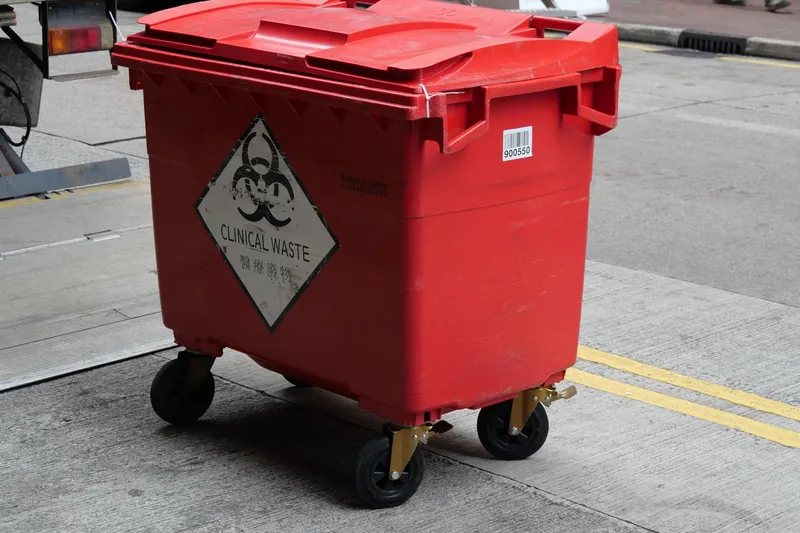
Oklahoma treats soaked materials from a biohazard scene as regulated medical waste. Rules from the Department of Environmental Quality's Land Protection Division control how it is processed and treated, so it cannot go in household trash.
Oklahoma uses a statewide medical examiner system, with the Office of the Chief Medical Examiner investigating sudden, violent, unexpected and suspicious deaths. Cleanup starts after police or the medical examiner release the scene.
The area size, material types and depth of contamination determine the time required. Cleaning a small hard-surface area can take a single work visit, but structural removal, several affected rooms or odor that persists may mean repeated visits followed by restoration.
The full biohazard cleanup guide covers what is cleaned or removed, odor and air quality work, and the rules that apply in Oklahoma and Rogers County.
Read the full biohazard cleanup guideContainment, entry and cleanup plans can be influenced by local housing, population and access details.
Renters make up 39.2% of households in Catoosa, so cleanup planning should work for both owner occupied and leased homes.
Local housing centers on 1986, making inspection beneath finished surfaces important when contamination extends past the visible area.
There are 242 seniors living alone locally, making simple welfare check plans useful even when the overall share is lower.
At 71.9% single-family housing, cleanup boundaries may include attached garages, utility rooms, or storage areas beyond the main room.
Ask on the call about cleanup options for neighboring communities and ZIP codes.
After exposure to infectious or hazardous material, the air, room and surfaces are fully decontaminated.
See biohazard decontamination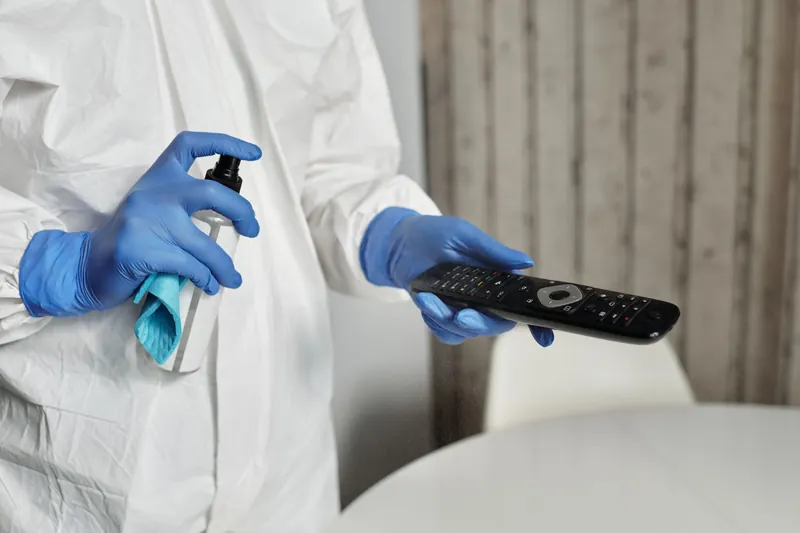
Contamination is cleared through biological remediation, returning the space to safe use.
See biohazard remediation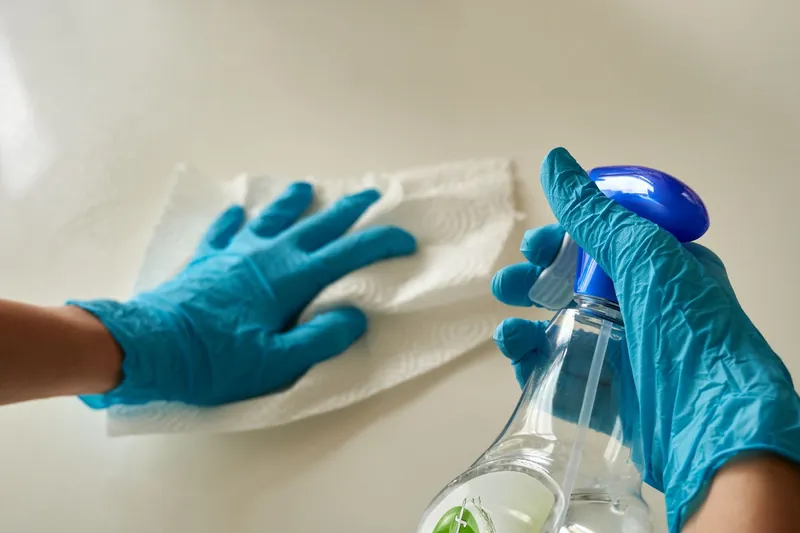
Walls, carpets, furnishings and hard floors receive blood cleanup, with safe disposal afterward.
See blood cleanup
When a death remains undiscovered for days, cleanup addresses decomposition and controls odors.
See unattended death cleanup
Following accidents, violence or injuries, trauma scene cleanup addresses the affected area.
See trauma scene cleanup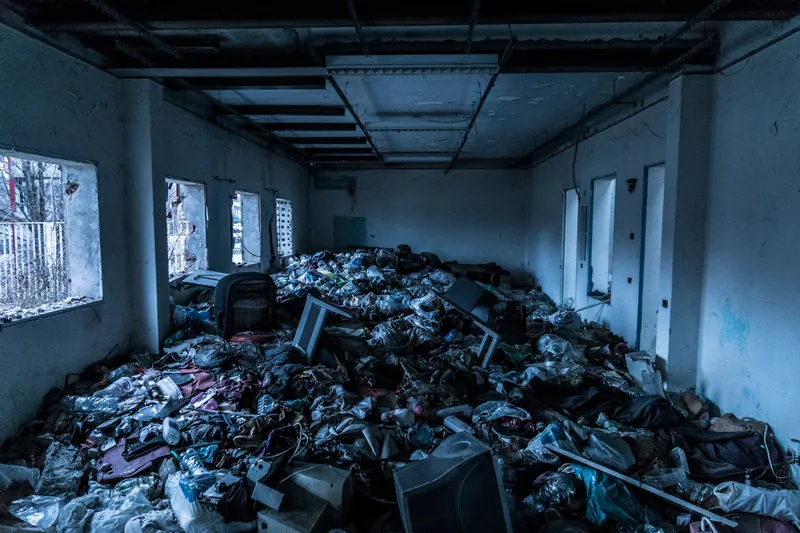
Deep cleaning, respectful sorting and removal are all part of hoarding cleanup.
See hoarding cleanup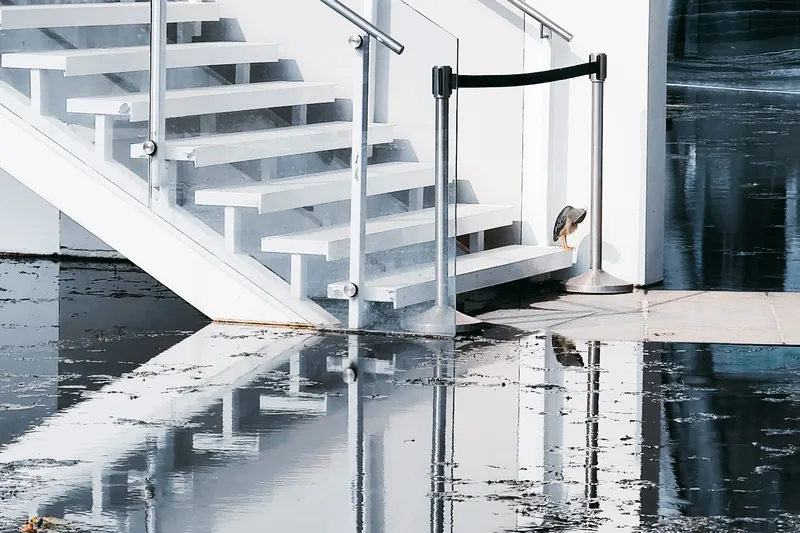
Sewage cleanup removes Category 3 black water from raw sewage, then disinfects and dries the area.
See raw sewage cleanup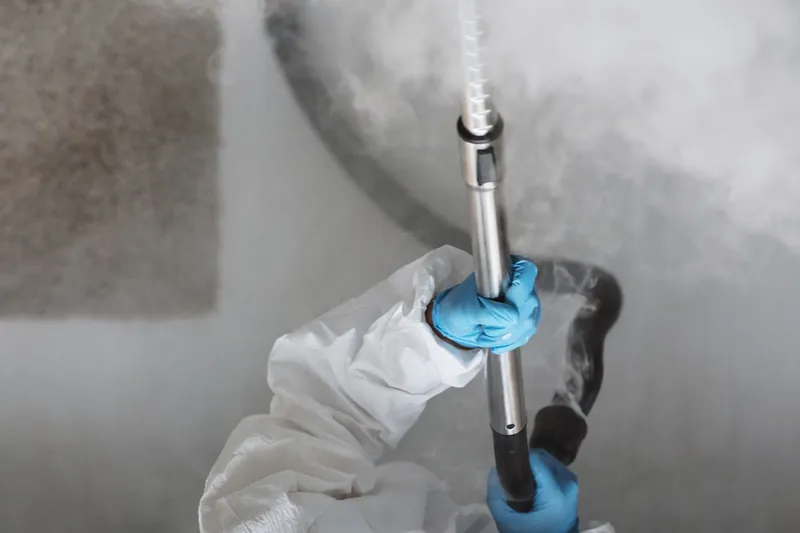
EPA-registered products are applied across all surfaces during infectious disease disinfection.
See infectious disease disinfectionYour first step is to leave the affected area and keep everyone else, including animals, outside. Do not touch, sweep or vacuum the material. Call emergency services if anyone is in danger, and wait for law enforcement to release any active scene. For more than a tiny hard-surface spill, arrange professional biohazard cleanup.
A few fresh drops on an intact non-porous surface may be manageable with disposable gloves and an EPA-registered disinfectant used exactly as labeled. Do not attempt cleanup when bodily fluids reached carpet, wood, drywall or furniture, when sharps are present, or when the full edge of the affected area is unclear.
Yes, when the odor source is found and removed. Treating the air may come only after affected drywall, carpet, padding, furniture or similar porous material is taken out. Once surfaces are cleaned and disinfected, remaining odor may be treated with HEPA air scrubbers or another suitable method, while nearby vents are inspected as needed.
Timing depends on the number of affected rooms, the surfaces involved and how far fluids traveled. A small cleanup limited to a hard surface may be finished during one visit. More than one visit may be needed when cleanup covers multiple rooms, drywall, carpet, subflooring or a lingering odor. Rebuilding removed finishes happens after remediation and may follow a separate schedule.
Removal of the deceased is completed by the funeral home or medical examiner, not cleanup of the affected room. Once officials release the scene, arranging death cleanup falls to the owner, relatives, landlord or another person responsible for the property. A biohazard cleaning company can address bodily fluids, contaminated materials, odor and disposal without requiring loved ones to enter the affected room.
Sealed hard furniture may be cleaned and disinfected when every affected surface is accessible. Removal may be necessary when blood or bodily fluids soak through upholstery into the frame or padding. Important belongings are evaluated with you when possible, allowing restorable and washable pieces to be sorted away from waste.
You can request respectful, discreet biohazard cleanup 24 hours a day, and crews use unmarked vehicles.